2026-10-17 ·
How to Document Fire Damage for Insurance Claims in Sun Valley
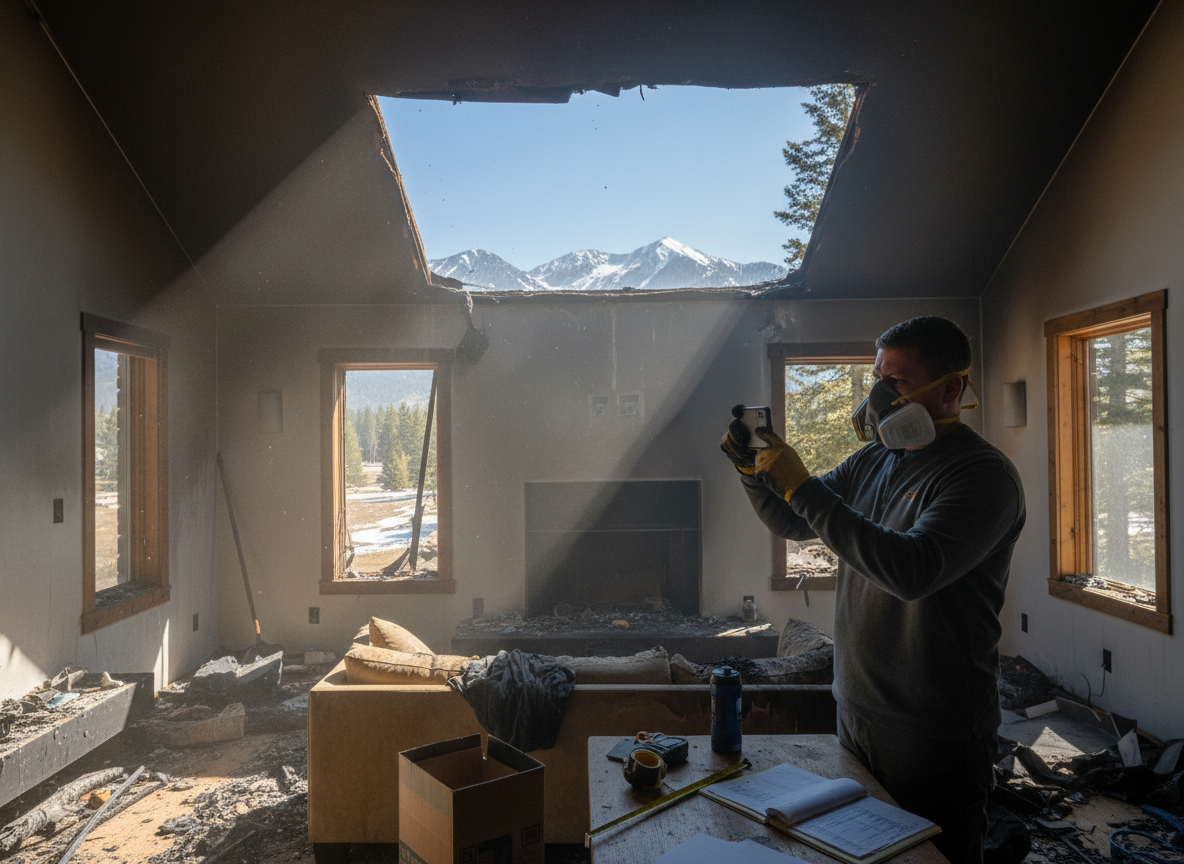
Documenting fire damage for insurance claims in Sun Valley begins with photos and video of every room taken from multiple angles within the first 24 hours, plus a written inventory that notes item condition, location, and estimated replacement cost before any cleanup starts.
Initial Steps Right After the Fire
Start by securing the property to prevent further loss while noting the date, time, and weather conditions at the time of discovery. Sun Valley's warm Mediterranean climate with hot, dry summers often accelerates smoke and soot movement through older single-story homes common in neighborhoods like Shadow Hills and La Tuna Canyon. Record any visible char patterns on walls or ceilings, especially near attics where embers travel quickly in dry air. Contact your insurer within 24 hours and request their preferred claim form and documentation checklist. Keep a separate notebook for all conversations, including adjuster names and reference numbers. This timeline matters because secondary smoke settling can alter damage appearance within days in the region's low-humidity conditions.
Capturing Visual Evidence
Photograph every surface before moving anything, including close-ups of soot on fabrics and wider shots showing the full extent across rooms. Use a timestamp app or write the date on a notepad visible in each frame. Video walkthroughs work well for showing how smoke traveled from the origin point through hallways in typical Sun Valley ranch-style homes. Focus on baseboards, HVAC vents, and insulation where residue hides. Include exterior shots of the property near Sun Valley Park or Hansen Dam Recreation Area if wind patterns affected spread. Store all files in multiple backups and label folders by room. These records help when discussing coverage for structural repair after fire in Los Angeles County claims.
Building a Detailed Inventory
List every damaged item with purchase date, original cost, and current condition using spreadsheet columns for room, category, and replacement price. Group items by type such as furniture, electronics, and clothing while noting any smoke odor that remains after airing. In Sun Valley's older housing stock built mid-century, many kitchens hold appliances that require professional assessment for hidden corrosion. Attach receipts or online price screenshots for comparable replacements. For high-value pieces, include serial numbers and pre-loss photos if available. This inventory directly supports claims when adjusters visit properties in nearby Pacoima or Burbank where similar homes face comparable fire risks.
Noting Hidden and Secondary Damage
Inspect attics, crawl spaces, and wall cavities for water introduced during suppression, which can lead to mold in the dry but occasionally humid Los Angeles County climate. Check electrical outlets and wiring for charring that may not show on the surface. Note any softening in subfloors or drywall that indicates deeper issues. Homeowners in La Tuna Canyon often discover residue in ductwork days later due to the hilly terrain directing airflow. Checking for Hidden Water Damage After Fire Suppression in Sun Valley provides additional local guidance on these inspections. Record measurements of affected square footage and any odors that persist in specific rooms.
Working with Adjusters and Next Steps
Schedule the adjuster visit only after completing your own documentation so you can reference your photos and inventory during the walkthrough. Point out items on the list that may require structural repair after fire or specialized cleaning. Keep copies of every document submitted and follow up in writing if the insurer requests additional information. For properties near Glendale or North Hollywood, compare notes with neighbors who faced similar events to understand typical settlement ranges. Once approved, coordinate with a 24/7 team at 8947 Sunland Blvd for restoration work that meets claim requirements without delaying repairs.