2026-10-17 ·
Seasonal Wildfire Risks for Sun Valley Residents
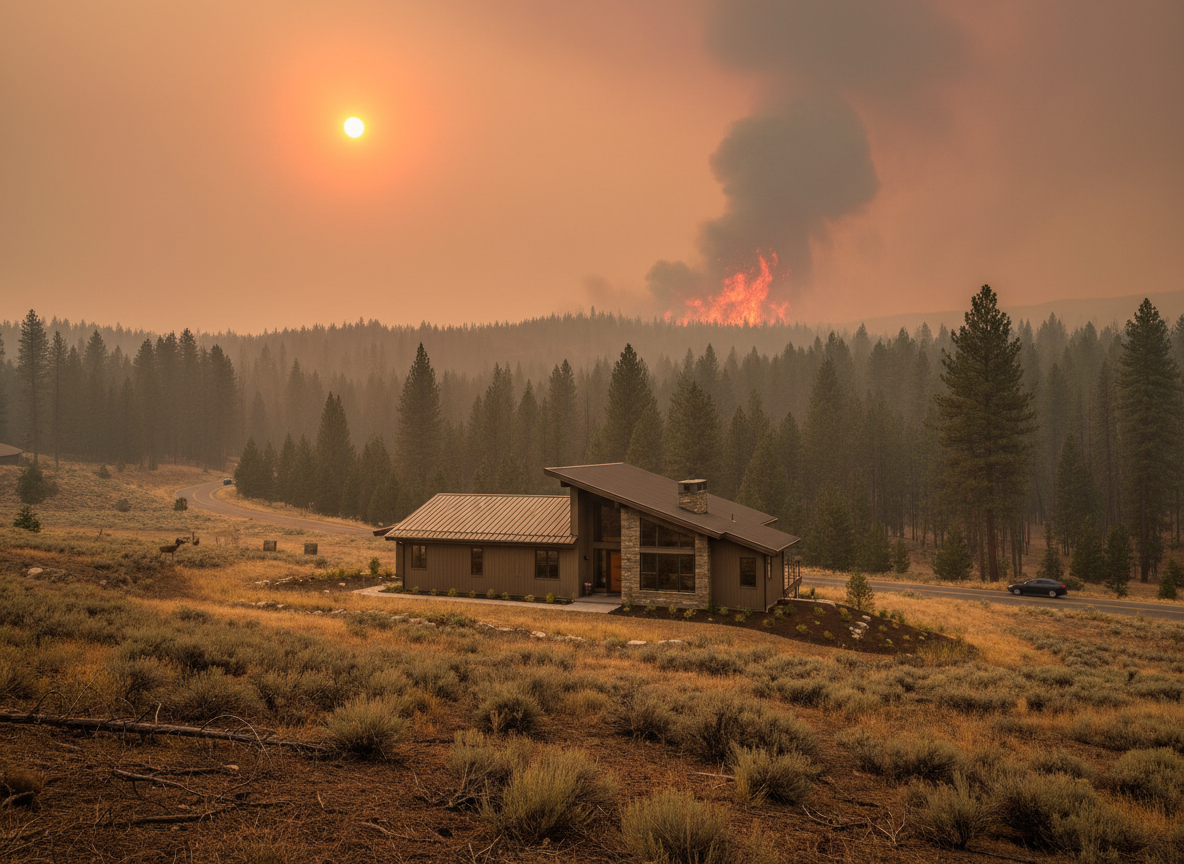
Sun Valley experiences its highest wildfire risk during the hot, dry summer months when low humidity and Santa Ana winds combine with dry vegetation across Los Angeles County. The warm Mediterranean climate brings extended periods without rain from June through September, drying out grasses and shrubs in Shadow Hills and La Tuna Canyon faster than in coastal zones.
Summer Climate and Fuel Conditions
The warm Mediterranean climate in Sun Valley produces daytime highs often above 90 degrees with humidity dropping below 20 percent on many summer afternoons. This pattern turns chaparral and grasses near Hansen Dam Recreation Area into ready fuel. Homes built decades ago in Sun Valley and adjacent Pacoima frequently sit on lots with mature trees and overgrown yards that add to the fire load. When winds pick up from the north, embers can travel from open spaces around Sun Valley Park into residential blocks within minutes. These conditions differ from milder winters when moisture lingers longer in the soil and reduces ignition potential.
Terrain and Neighborhood Vulnerabilities
Shadow Hills and La Tuna Canyon feature steeper slopes and narrow roads that slow emergency access during fast-moving fires. Older single-family homes in these neighborhoods often have wood siding and attached garages close to slopes, allowing flames to reach structures more easily than in flatter sections of Burbank. La Tuna Canyon’s canyon topography can channel wind and heat, creating localized hotspots that threaten properties even when the main fire front stays miles away. Residents near Hansen Dam Recreation Area face additional exposure from seasonal dry brush that grows tall along trails and access roads.
Ignition Sources Common to the Region
Power lines running through hilly sections of Sun Valley and Glendale can spark when high winds stress aging equipment. Equipment use in yards, such as mowers or trimmers, throws sparks into dry grass during the peak summer window. Discarded cigarettes along roads near Sun Valley Park have started small fires that spread uphill into La Tuna Canyon. Vehicle exhaust systems parked on dry vegetation along canyon roads add another frequent ignition point during the hottest months.
Practical Steps Before Fire Season
Clear a 5-foot zone of flammable materials around structures and maintain 30 feet of defensible space by trimming trees and removing dead brush. Check roofs and gutters for accumulated leaves and pine needles before June, especially on homes in Shadow Hills where tree cover is dense. Store firewood and propane tanks at least 30 feet from the house. Test smoke alarms and review evacuation routes that account for narrow streets in La Tuna Canyon. Homeowners in Pacoima and North Hollywood should also verify that driveways can accommodate larger emergency vehicles.
After a Fire Starts: What to Expect
Once a fire is contained, hidden damage from suppression water often appears in attics and wall cavities of older Sun Valley homes. Checking for hidden water damage after fire suppression in Sun Valley helps prevent mold that can develop within 48 hours in the region’s warm temperatures. Structural repair after fire may involve replacing charred beams in homes built before current codes. For detailed recovery timelines, see what affects timeline for fire damage restoration in Sun Valley. Emergency fire damage restoration teams familiar with Los Angeles County vegetation can address soot that settles on surfaces days after the flames are out.